
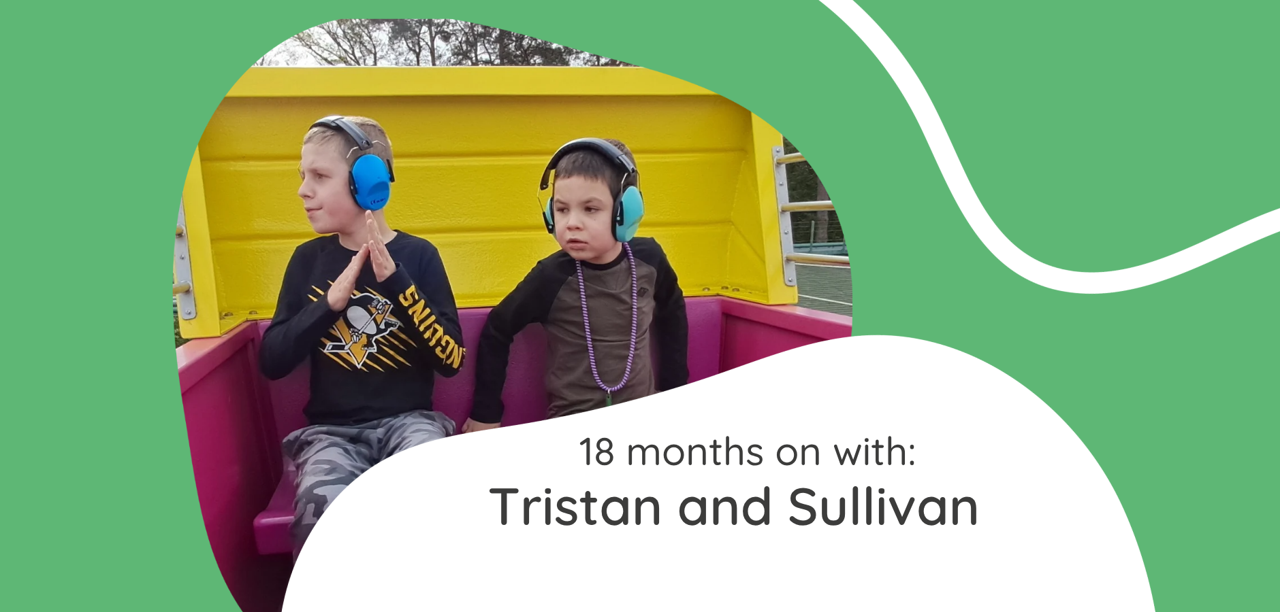
Tristan and Sullivan's AAC journey: 18 months on
When we first spoke with Faye, she shared the AAC journey of her two sons, Tristan and Sullivan – autistic brothers who are non-speaking and use Grid for iPad on their Talk Pads to communicate.
From ordering a favourite drink to choosing rides on a family day out, AAC had become part of everyday life for both boys, giving them more opportunities to make choices, express themselves and connect with the people around them.
Now, 18 months on, we caught up with Faye to hear how Tristan and Sullivan’s communication has continued to develop, the different ways they each use AAC as they grow, and what she has learned from supporting two young AAC users.
Faye also reflects on the moments of joy, the challenges that aren’t always talked about, and what she wishes more people understood about children who use AAC and the families supporting them.
.
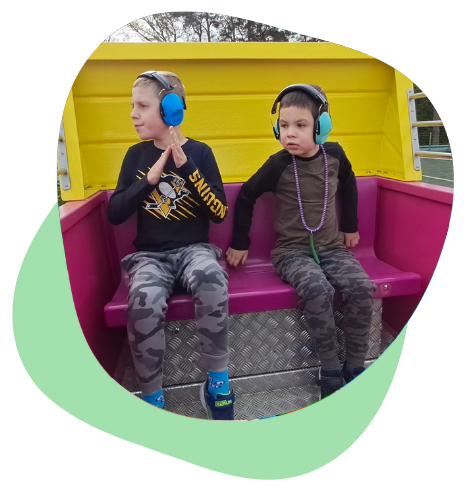 It’s been around 18 months since we last shared Tristan and Sullivan’s story. How has each of their communication developed since then? Have there been any new milestones or moments that have particularly stood out to you?
Both have developed fantastically with their AAC use! Tristan enjoys talking about up coming events in his diary and recently, taken interest in the weather! He is also used his messages page a lot more now. Sullivan loves asking us to add places, products and phrases. The more, the merrier!
What does AAC look like for Tristan and Sullivan now? What do they each use, and are there differences in how they use AAC or what’s most important to them?
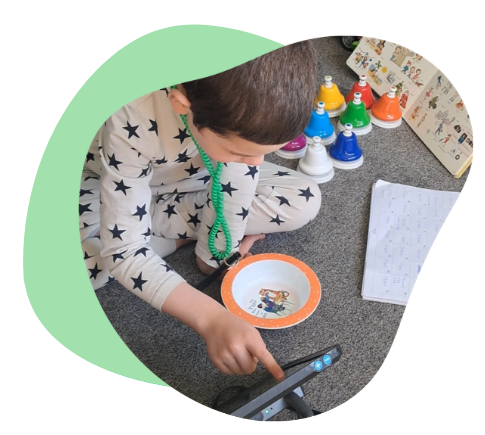
Both continue to use Super Core 50 in Grid for iPad. Tristan heavily uses the keyboard to type out communication and is definitely more of a speller. Sullivan loves to explore different folders and gets a lot of enjoyment out of following stories with characters and phrases. Both use them to communicate requests, to chat and play!
Last time we spoke, you shared how both boys were developing their literacy skills and using their devices to read, spell and type. How has that developed as they’ve got older? Has it changed the way they use Grid or the kinds of things they’re able to communicate?
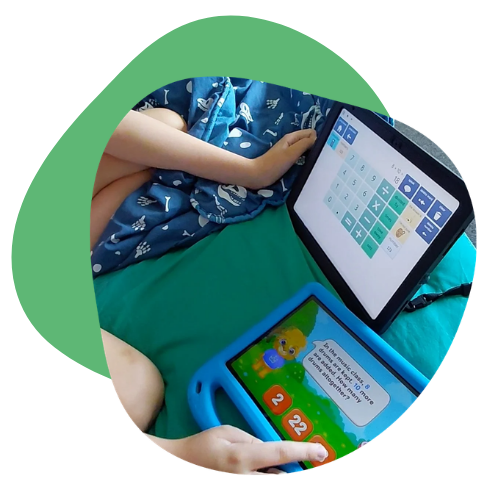
Tristan has expanded on this by using the calculator to work out sums whilst playing maths games on his tablet. He loves hearing his voice read out the answer and then completing the game with that answer. Sullivan has recently taken to the Read with Me: Accessible Stories grid sets and enjoys reading them aloud. His favourite is Jim the Gingerbread Man.
You also shared some lovely examples of the boys using AAC beyond home and school – from Tristan ordering his own drink to both boys choosing rides at Peppa Pig World. Has their confidence using AAC out and about continued to grow?
Yes, definitely! We have had a busy summer visiting different theme parks and the seaside. The boys were so confident in telling us what they wanted to do and Tristan even told us he was scared to go on certain rides! Back in June, we visited Harry Potter Studios for a SEN session and Sullivan used Grid for iPad on his AAC device to ask the staff member to restart a dragon display by saying “start again.”
One really interesting part of your story was how Sullivan was introduced to AAC early through being around Tristan and his communication tools. As brothers, do they influence or learn from each other in the way they communicate now?
Yes definitely. Tristan talks a lot about upcoming events and what days they are on. Sully hears this and will often talk about them on his own device and sometimes asks for it to be added to his Grid. The boys often listen to each others talking and can spark interest in a TV show or interest.
 As their mum, what are some of the realities of supporting two children who use AAC that people might not always see or talk about? And on the other side, what have been some of the most joyful or rewarding parts of watching their communication develop?
Keeping their grid sets updated to support their needs. For example, Sullivan over the last few months has had a lot of anxieties about certain books and toys. To help reduce this, we added a message that says “Can you put it away please?” This has helped so much because now, instead of getting angry, he asks us to put it away when he’s feeling overwhelmed by something. Tristan has a lot of anxieties around what staff will be in his class in school. He reassures himself through repeating the names of staff who will be in on his device.
Tristan is having a party for his 10th birthday and has been using his Talk Pad to talk to us about who he wants to come, what food he wants there and what presents he wants. As a SEN parent, you don’t always expect to be holding parties for your children, but the reality that Tristan is able to communicate about it is heartwarming. Sullivan’s observational skills shine through with AAC, particularly on long drives, where he spells out brands on lorries that we’ve passed on the journey. Even when we are home, he asks for shops that we passed several hours prior to be added to his Talk Pad!
Supporting AAC can involve a lot behind the scenes – modelling language, making sure devices are available, advocating for the right support and helping other people understand how the boys communicate. How has that changed for you as they’ve become more confident and independent communicators?
I would say now that the boys are fluent with their AAC devices, and their understanding has developed, we model a lot less than we used to.
What do you wish other people better understaood about Tristan and Sullivan's communication, particulary as they get older, or about children and families who use AAC more generally?
I would like people to understand that AAC users are still very intelligent and have a lot to say. Their device voices are just as valid as their speaking voice would be and should not be dismissed. As Tristan and Sullivan get older, they may encounter more complicated emotions and AAC is their gateway to express these.
For another parent whose child is just beginning to explore AAC, what would you want them to know now that you perhaps wish someone had told you at the beginning?
Persist and be patient. Keep communication fun and lessen demand on your on child to build exact sentences on AAC. Most importantly, let them explore it if they want to. Repeatedly pressing a symbol is fine – great in fact! Include their AAC in play with modelling, and keep it playful.
Thank you to Faye, Tristan and Sullivan’s mum, for sharing this update with us. You can follow their family’s journey on Faye’s Instagram @aacbrothers. If you’d like to tell us about your own experience with AAC, we’d love to hear from you – please get in touch at [email protected]
We recognise that autistic people have a preference for different terminology to describe themselves and autism. We have used a variety of terms, yet acknowledge that the language used may not reflect everyone’s views or own identity. As always, we are committed to representing our users’ preferences, and welcome feedback.