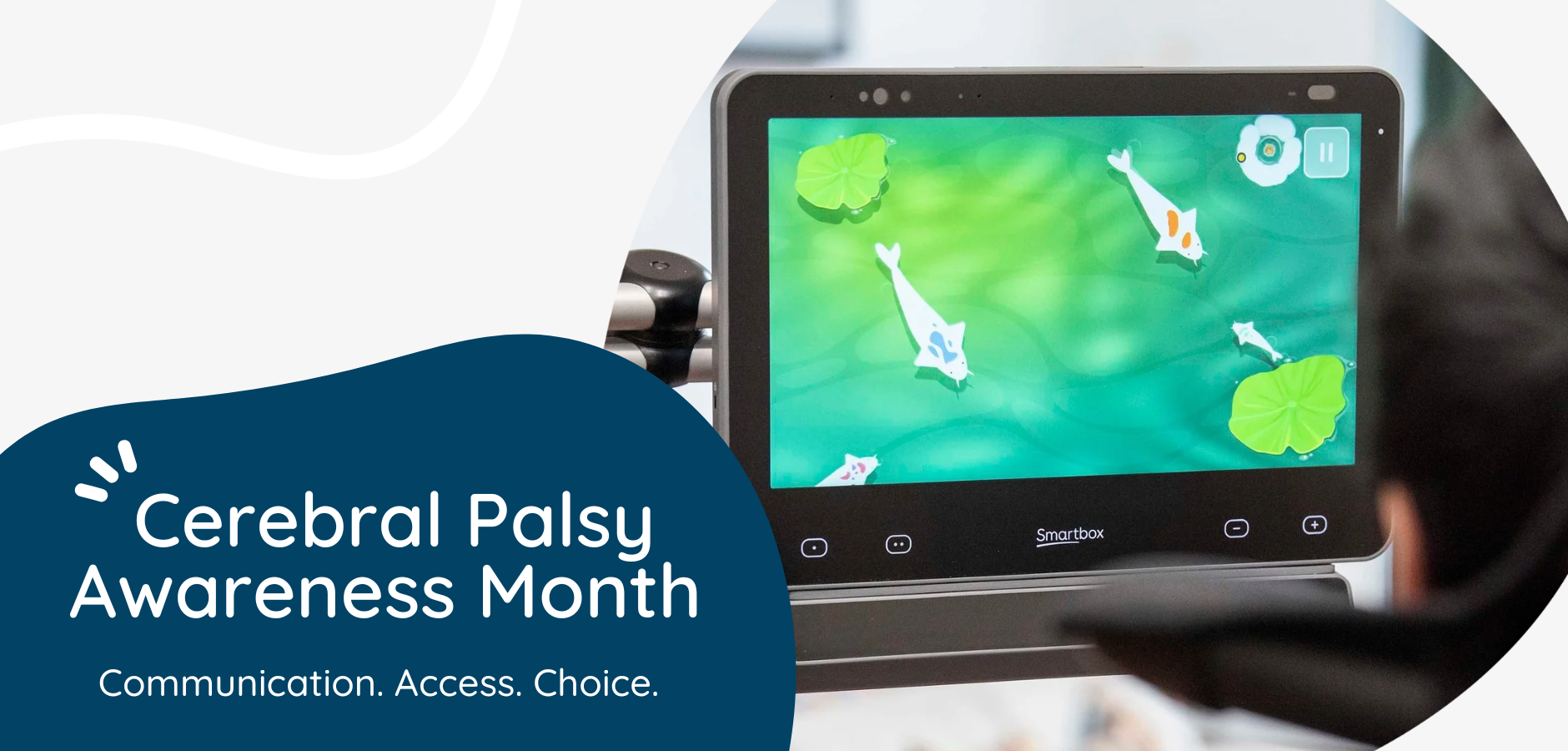
Cerebral Palsy Awareness Month 2026
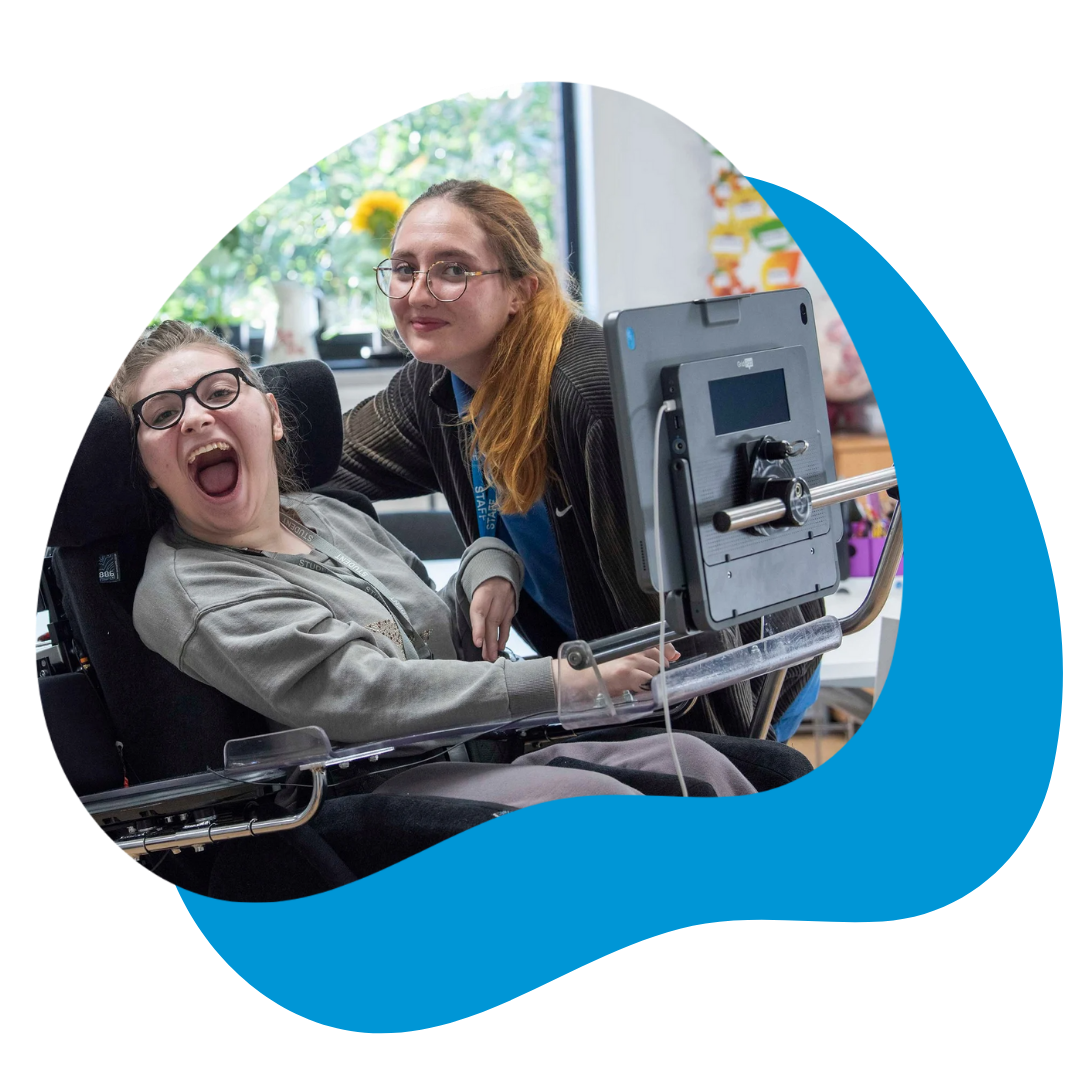
March marks Cerebral Palsy Awareness Month, a time to listen to, learn from, and amplify the voices of people living with cerebral palsy (CP). Cerebral palsy is a lifelong condition that affects movement and posture, and for many people, it also affects speech and communication. Every experience of CP is different, and so are the ways people communicate. For some individuals, speech is clear and reliable. For others, speech may be difficult to understand, tiring, or inconsistent. This is where Augmentative and Alternative Communication (AAC) can play an important role, offering different ways to communicate, express identity, and participate more fully in everyday life.
Understanding cerebral palsy and communication
Cerebral palsy is caused by a brain injury or difference that occurs before, during, or shortly after birth. It can affect muscle tone, coordination, and control, which may impact how a person moves, speaks, or accesses technology. Communication challenges can include reduced speech clarity, difficulty controlling breath or voice, or fatigue during longer conversations.
AAC supports communication by providing alternative ways to express thoughts, feelings, and ideas. This can include electronic and non-electronic communication aids, such as symbol-based systems, text-based communication, or a combination of both, accessed using different methods depending on a person’s physical needs. You can learn more about the different types of AAC in our blog here.
How AAC can help
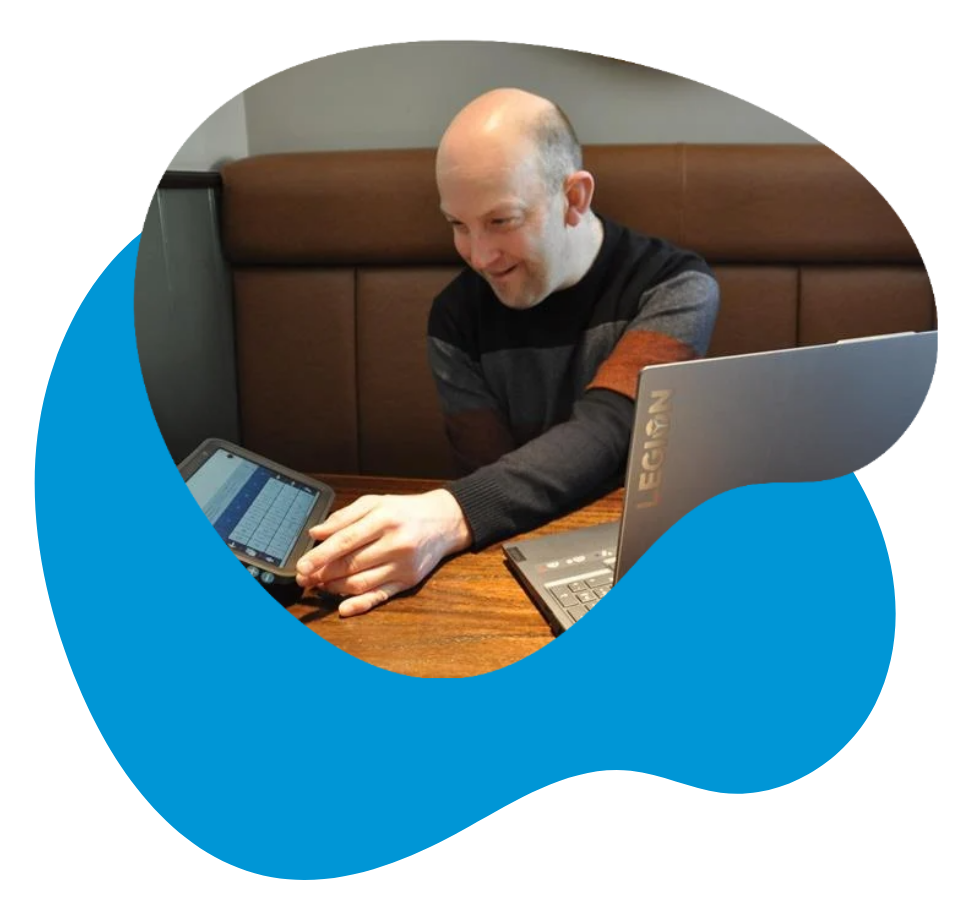 AAC is most effective when it is flexible, personalised, and responsive to change. People with cerebral palsy may use a range of access methods, sometimes switching between them throughout the day depending on energy levels, environment, or task.
AAC can support people with CP to:
- Communicate clearly and confidently.
- Take part in conversations at home, school, work, and in the community.
- Express personality, preferences, and identity.
- Reduce communication fatigue.
- Advocate for themselves and make their own choices.
At Smartbox, our Grid and Grid for iPad software is designed to work intuitively with a wide range of access options, supporting complex and changing needs. Whether someone uses eye gaze, switches, touch, pointers, or a combination of methods, settings can be adjusted to ensure communication remains accessible and efficient.
What to expect this March
Throughout Cerebral Palsy Awareness Month 2026, we’ll be sharing:
- Stories from Grid users, sharing their experiences of living with CP and using AAC in everyday life.
- A dedicated blog exploring dual access, and how switching between access methods can support comfort, independence, and communication in different contexts.
- Resources and insights focused on access, communication, and participation.
- 50% off discount on our Look Lab software – learn more below.
Together, these stories and resources aim to show that there is no single way to communicate and no single journey with AAC.
Get 50% off Look Lab this March
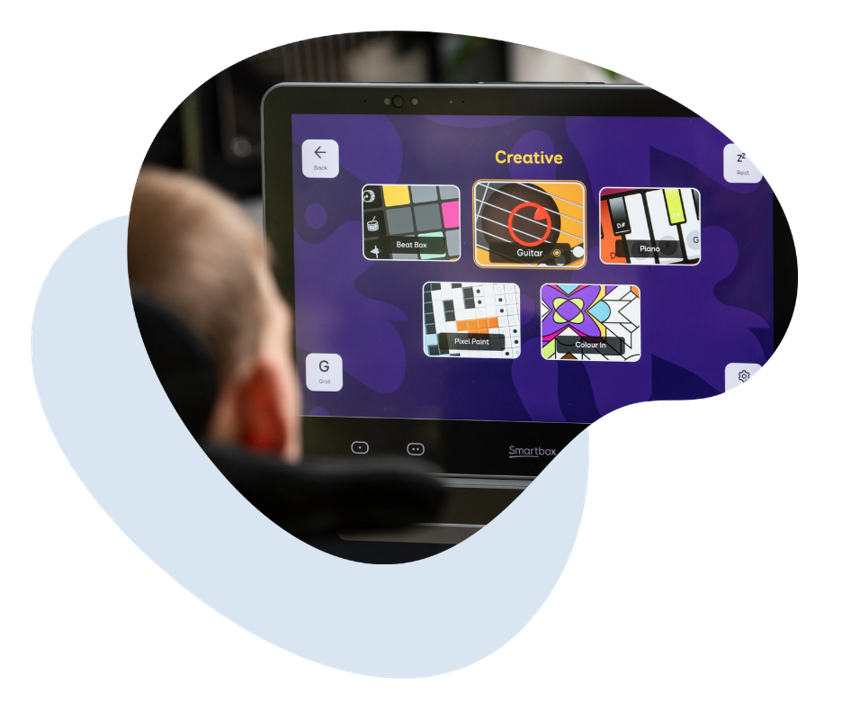 Look Lab is part of the Look Family – a collection of software designed to help alternative access users grow their skills in a fun, motivating way.
In recognition of Cerebral Palsy Awareness Month, we’re offering 50% off Look Lab from 1-31 March. Eye gaze and pointer access support communication for many people with cerebral palsy, and we hope this discount helps make tools for developing these skills more accessible.
Any quotes generated during March will remain valid for 30 days from the date of issue.
Moving awareness into action
Cerebral Palsy Awareness Month is about more than recognition. It’s an opportunity to challenge assumptions, highlight the importance of access and choice, and ensure people with CP have the tools and support they need to communicate in ways that work for them.
We’re looking forward to sharing more throughout March, and to celebrating communication in all its forms.